Industrial-Grade Flooring Solutions
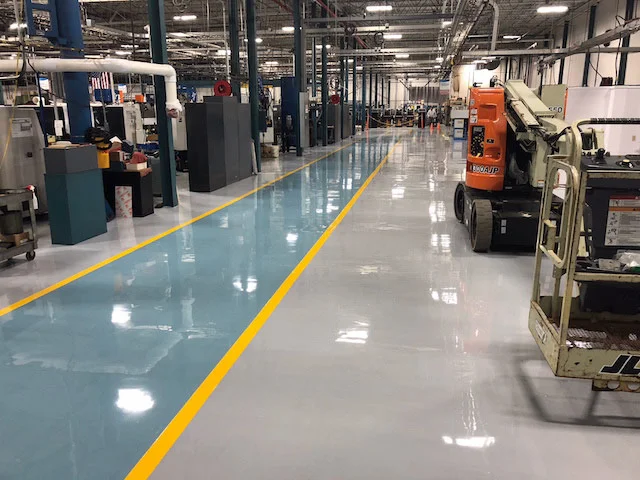
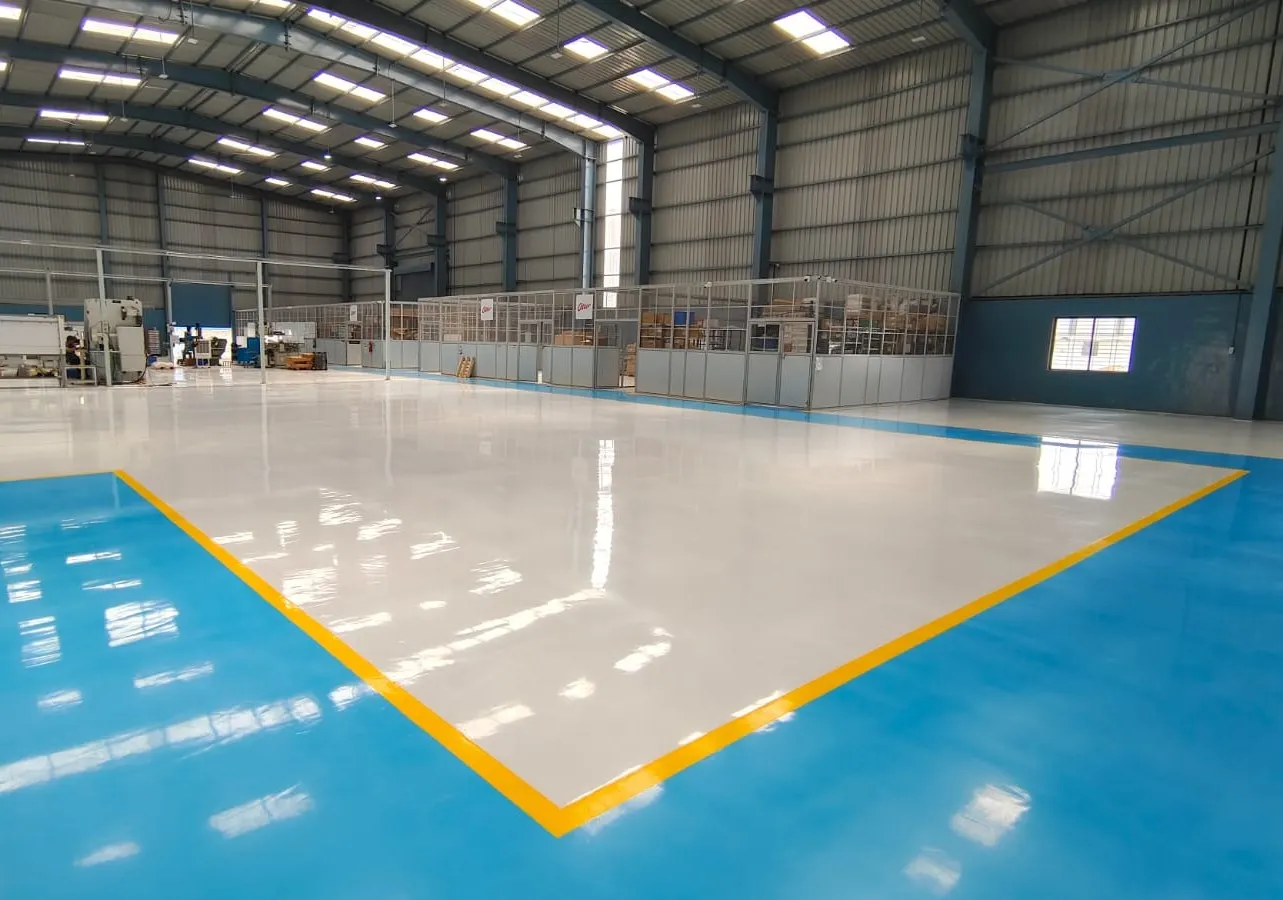
Mishri Adhesive Tech Resin Flooring Systems represent a comprehensive line of high-performance, industrial-grade flooring solutions engineered to meet the structural and hygiene requirements of demanding corporate, industrial, and commercial facilities. This product line primarily features advanced waterborne polyurethane mortar systems and specialized conductive epoxy technologies. These monolithic flooring options are designed to provide seamless, low-permeability, and highly protective finishes over concrete substrates (Grade C25 or higher). The systems dynamically adapt to a broad spectrum of structural stresses—ranging from light-load walkways up to extreme, heavy-duty industrial processing environments.
Advantages
- Dynamic Structural Durability: High mechanical strength capable of absorbing heavy point loads, impacts, and long-term rolling vehicle/forklift traffic without cracking or delamination.
- Exceptional Environmental Resilience: Delivers excellent defense against thermal shock (high and low temperatures) and deep moisture protection to completely eliminate surface blistering.
- Industrial Chemical Shielding: Built with high crosslink-density matrix configurations that resist prolonged contact with strong acids, alkalis, corrosive industrial cleaners, and harsh chemical solvents.
- Uncompromising Hygiene Control: Formulates seamless, monolithic, and zero-permeability structures that strip bacteria, mold, and microorganisms of environments to settle or replicate, severely lowering cross-contamination risks.
- Advanced Safety Performance: High slip-resistance options, compliant electrostatic discharge (ESD) tracking to ground, and low tire-noise properties to optimize employee safety.
- Sustainable Cost-Efficiency: Rapid installation and easy-to-clean matte profiles ensure low maintenance overhead and extended service lifespans.
Technical Characteristics
Technical Performance & Product Characteristics
All values are tested and confirmed in strict accordance with industrial standard JC/T 2327-2015.
| System Classification | Compressive / Flexural Strength | Tensile Bond Strength | Friction Coeff. & Safety | Standard Coverage / Thickness |
|---|---|---|---|---|
| Ultra-Thin Polyurethane Mortar Self-Leveling | 40 MPa / >10 MPa | >2 MPa | >0.6 (Dry/Wet) | Fire: Bfl | 3.6 kg/m² (@ 2mm thickness) |
| Medium-Duty Polyurethane Mortar Flooring | 50 MPa / >10 MPa | >2 MPa | >0.6 (Dry/Wet) | Fire: Bfl | 8.0 kg/m² (@ 4mm thickness) |
| Heavy-Duty Slip-Resistant PU Mortar | 58 MPa / >10 MPa | >2 MPa | 0.9 (Dry) | Fire: Bfl | ~15.0 kg/m² (@ 7mm thickness) |
| Thinly Coated Polyurethane Mortar | Tested for light loads | >2 MPa | >0.6 (Dry/Wet) | Fire: Bfl | 0.6 - 0.9 kg/m² (Thin Coat) |
| Anti-Static & ESD Epoxy Flooring | 45 MPa / 10 MPa | ≥2.0 MPa (or concrete fail) | ≥0.5 | ESD Time: <2 sec | 2.0 - 4.0 mm (Customizable) |
| Wear-Resistant PU Resin Flooring | 40 MPa / 10 MPa | ≥2.0 MPa (or concrete fail) | ≥0.6 (Dry/Wet) | 2.0 - 4.0 mm (Customizable) |
| Antimicrobial Resin Flooring | 40 MPa / ≥10 MPa | ≥2.0 MPa (or concrete fail) | Ultra-low permeability | 2.0 - 3.0 mm (Standard to High) |
| Corrosion-Resistant Resin Flooring | 50 MPa / 10 MPa | ≥2.5 MPa (or concrete fail) | Shore D Hardness: ≥80 | 2.0 - 6.0 mm (Based on exposure) |
System Material & Operational Timelines (at 20°C)
- Working Time / Pot Life: Ranges between 10 to 40 minutes depending on specific system composition (Anti-Static: 20-40 min, Thin-coat: 10 min, Ultra-Thin: 30 min).
- Curing & Traffic Readies:
- Open to Foot Traffic: 24 to 36 hours[cite: 4, 9, 13, 18, 24].
- Open to Vehicle Traffic: 36 hours to 48 hours (7 days for heavy-duty/ESD full traffic resistance)[cite: 4, 9, 13, 18, 26].
- Full Chemical and Structural Cure: 7 Days[cite: 4, 13, 18, 26, 42, 60].
- Electrical Resistance Profile (ESD System): Surface resistance ranges firmly between 105 - 109 Ω, complying entirely with global ANSI/ESD validation standards[cite: 24, 27].
- Specialized Matrix Actions: Antimicrobial versions demonstrate an antibacterial kill rate ≥99% alongside a Grade 0 rating for mold propagation (zero mold growth)[cite: 40]. Corrosion configurations resist severe 10%–30% standard chemical immersions and up to 98% sulfuric acid compounds[cite: 47, 49, 60].
Application Details
- Food, Beverage & Brewing Industries: Production and packaging workshops, fermentation rooms, processing areas, baking zones, and fresh milk cold storage facilities.
- Pharmaceutical & Chemical Sectors: Clean production spaces, cleanrooms, GMP production lines, laboratories, wastewater treatment plants, and raw material chemical storehouses.
- Electronics & Electrostatic Environments: Data centers, server housing hubs, precision assembly workshops, aerospace maintenance bays, and spaces containing explicit explosion hazards (gas or dust).
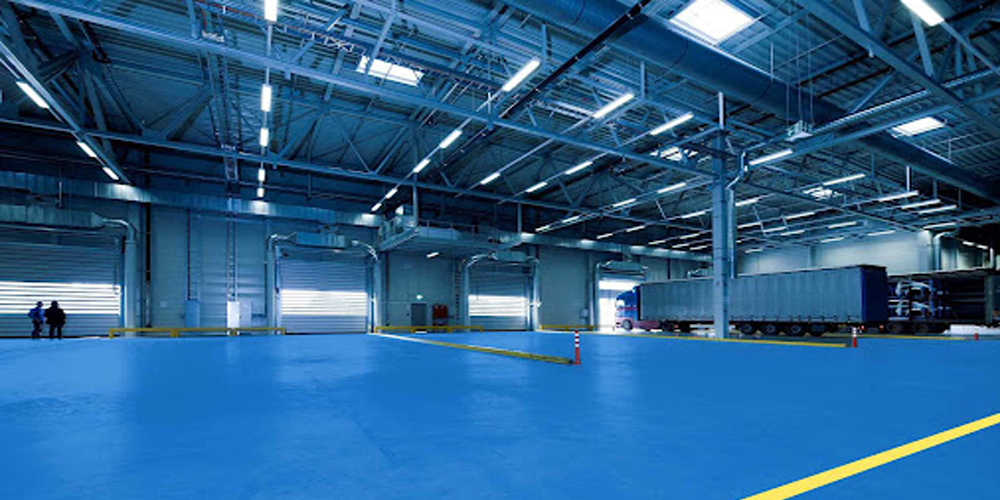
- Commercial & Logistic Infrastructure: Distribution networks, heavy forklift aisles, underground parking garages, ramps, train stations, loading docks, and airport service complexes.
Application Process
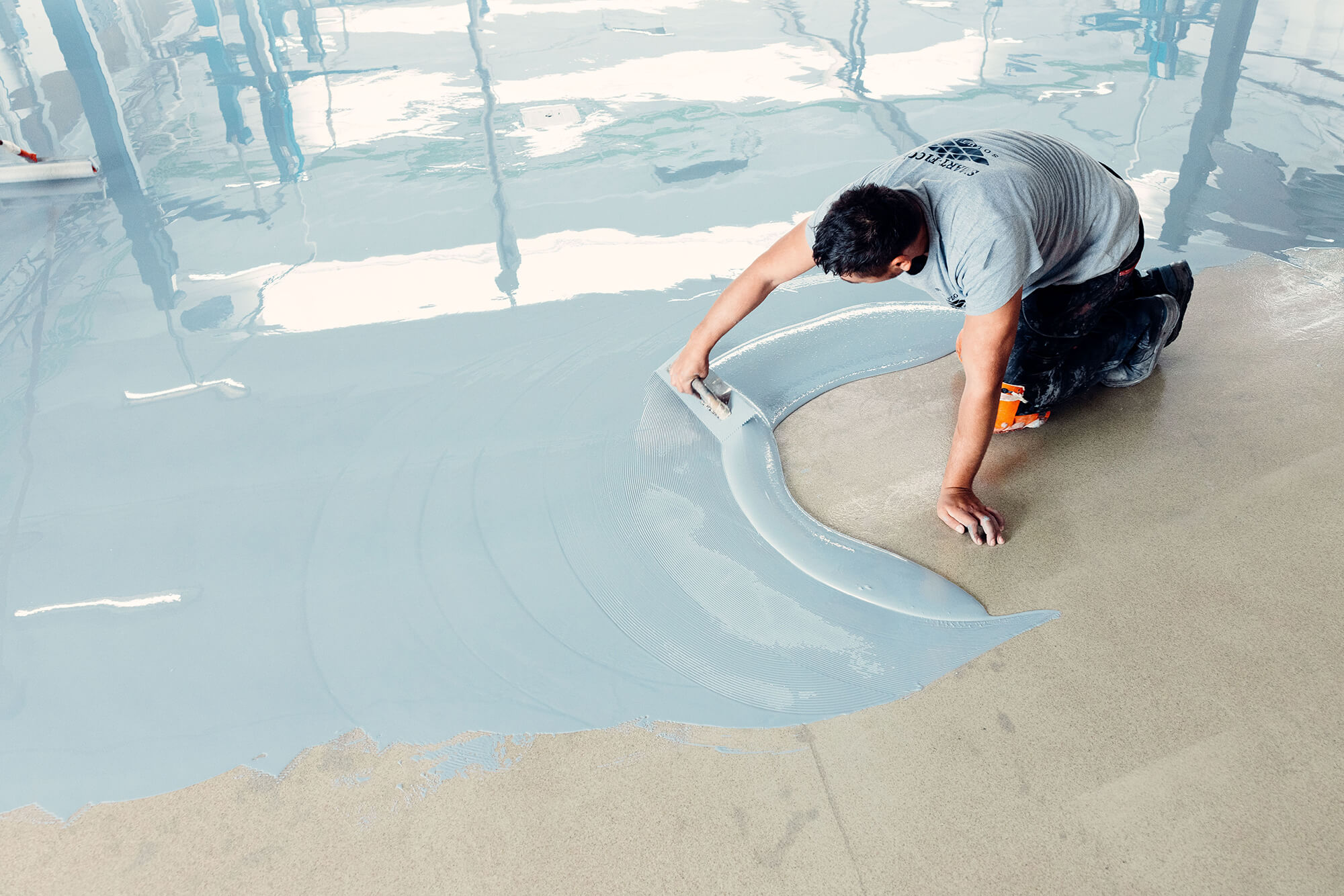
Step 1: Substrate Preparation Thoroughly profile the base surface using a specialized industrial floor milling machine, shot blasting equipment, or heavy diamond grinders. Choose machinery according to specific substrate tensile realities and surface waviness. The finished base profile must exhibit a unified, rough texture completely stripped of weak aggregates, loose materials, old coatings, or contaminants. Remove all dust particles and localized construction debris utilizing a heavy-duty vacuum system before moving forward. Step 2: Substrate Inspection Test the concrete core structural condition meticulously. The substrate concrete must meet Grade C25 strength standards or above. Inspect flat parameters, moisture percentages, compressive strength thresholds, and surface pull-off capabilities to confirm structural compliance before starting chemical mixtures. Step 3: Primer Layer Application Mix and apply the specialized Polyurethane Mortar Primer or Epoxy Resin Primer to lock concrete pores, enhance mechanical bonding, and eliminate downstream pinholes. Step 4: Intermediary Building (Varies by Architecture) For ESD Systems: Install underlying epoxy mortar leveling coats, putty fillings, fine mortar additions, and stick down conductive copper foil grids coupled with carbon black base layers. For Standard Polyurethane Mortars: Apply appropriate base layers or aggregates to achieve the engineered thickness profile. Step 5: Topcoat Finishing Apply the engineered Self-Leveling Topping, Wear-Resistant/Antimicrobial Topcoat, or roller-applied Thin Coat according to design specs. Use premium trowels, rollers, or notch squeegees within the designated operational pot life (10-40 minutes depending on product).
Packaging Sizes
- Products are supplied globally as multi-component kits precisely measured for optimal performance. Kits contain:
- Component A: Base Resin Liquid
- Component B: Engineered Hardener/Catalyst
- Component C / Quartz Aggregates: Specially graded mineral fillers and color packages (where applicable).
- Note: Containers are explicitly sealed in heavy-duty industrial plastic pails or metal drums to prevent exposure to external atmospheric humidity during transit.
Storage & Shelf Life
- Note: Containers are explicitly sealed in heavy-duty industrial plastic pails or metal drums to prevent exposure to external atmospheric humidity during transit.
- Storage Temperatures: Maintain warehouse storage temperatures safely between 10°C and 30°C.
- Shelf Life: 6 months to 1 year from the official date of production when kept unopened and stored under appropriate environmental parameters.
Special Note & Safety
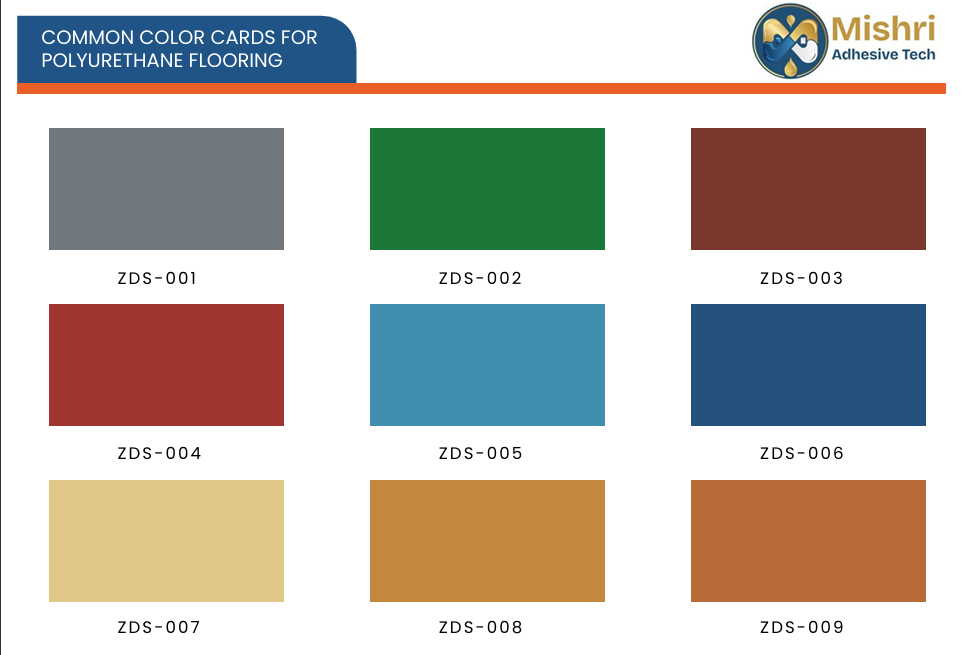
Color Variance: All provided product color swatches (as per PDF) serve strictly as digital and print references. Due to differences in lighting and application machinery, final coloration must be verified via mockups or on-site sample panels prior to large-scale applications. Substrate Requirements: Do not attempt application over low-grade concrete (under C25) or substrates suffering from weak pull-off resistance or unmitigated vapor/moisture pressures. On-Site Pot Life Management: Because working windows sit between 10 to 40 minutes at 20°C, material mixing speeds must correspond tightly with the application team's handling capacity to avoid premature setting. Higher ambient temperatures will compress the working time further.